Brain Vs. Mind # 2: From Reality to a Plan
Dr. Lee Warren's framework begins by helping us distinguish between the subjective, the objective, and ultimately the possible. In other words:
- What do I feel?
- What is actually true?
- What could be true going forward?
That distinction is powerful because our feelings can be incredibly convincing. If my subjective assessment is, "Nothing ever goes the way I need it to," it can feel like an objective description of my life. But then I write down the objective reality:
- I've had successes.
- People love me.
- God has been faithful.
There are things in my life that are genuinely good. I'm struggling right now, but struggling is not the same thing as having a hopeless life. And something begins to change. The exercise itself can bring a measure of relief. But we shouldn't stop there. Once we've distinguished the subjective from the objective, we need to assess what we've discovered and develop an action plan. That is where I want to go next.
Assessment Before Action
Naming reality accurately already begins to loosen the grip of our most troubling thoughts. When I say, "Nothing ever goes the way I need it to," and then force myself to look honestly at the evidence, I may discover that the statement simply isn't true. But that doesn't mean my underlying struggle isn't real.
The anxiety is real. The grief is real. The exhaustion is real. The relationship may genuinely be difficult. The diagnosis may be real. The circumstances may actually be painful. Objective truth doesn't require us to pretend that everything is fine. It simply prevents the subjective experience from becoming the whole story. That distinction is crucial. The goal isn't positive thinking. The goal is truthful thinking. And once we have a clearer picture of reality, we can ask the next question: Given what is actually happening, what should I do next? That's the assessment and action plan.
Why Hope Comes First
This is also where the connection to our Soul Care Ministry update comes in.
Volume Two of the How We Endure Series in Sessions of Hope will draw heavily from two of Dr. Warren's books: Hope Is the First Dose and Self-Brain Surgery.
The first title may be my favorite book title of all time. Hope Is the First Dose. My whole life is built around hope. My ministry is built around hope. And I think there is something profoundly Christian about beginning there.
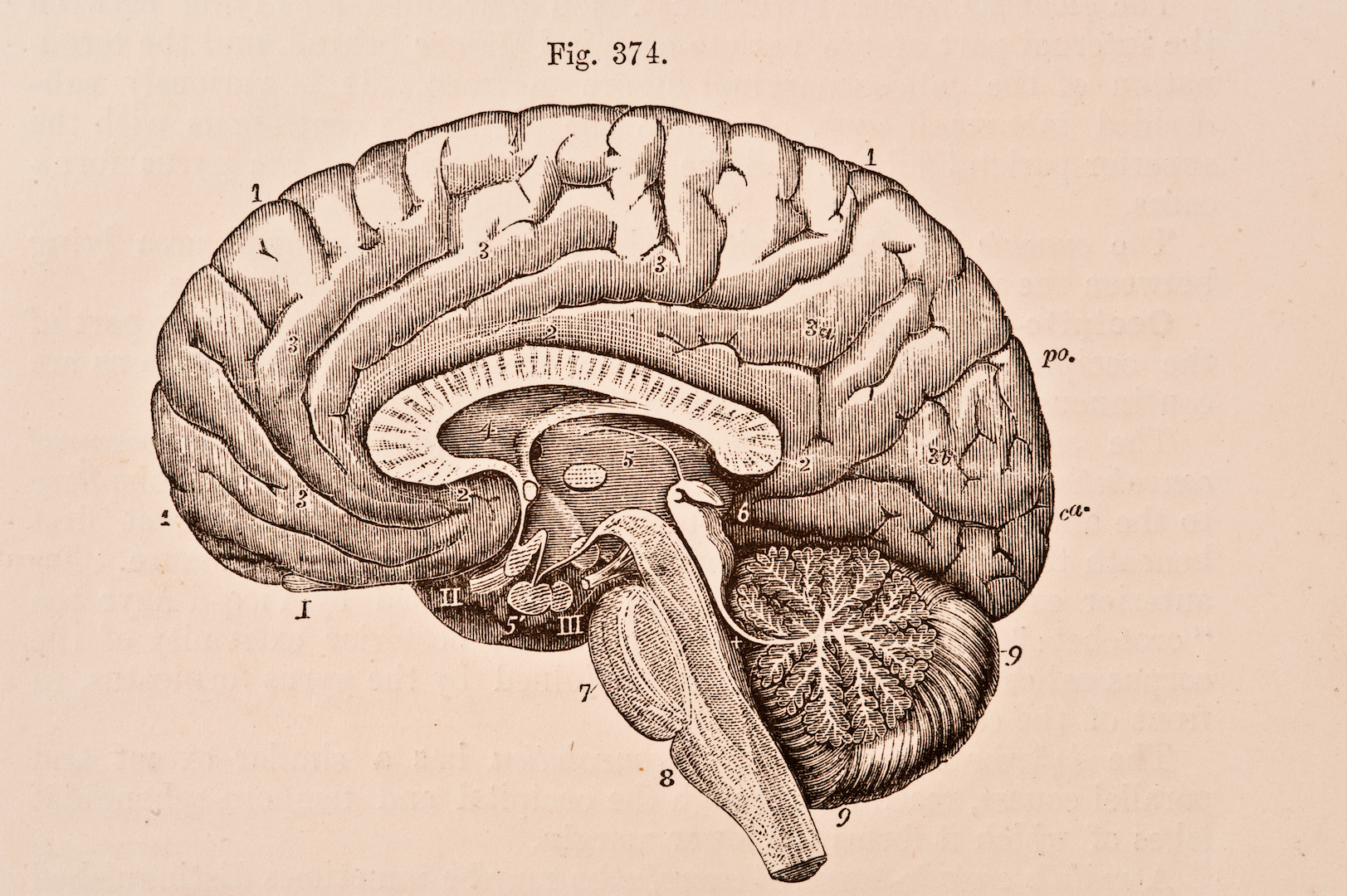
Dr. Warren's Hope Is the First Dose is more memoir-like, using his own story to explore what hope means in the midst of suffering. Self-Brain Surgery, by contrast, focuses more directly on the mechanics. Warren writes as a brain surgeon and someone deeply familiar with neuropsychology and the way the brain functions. He also brings his faith into the conversation, exploring how science, faith, and an understanding of the brain can work together to help people become happier, healthier, and more whole.
Because these ideas are becoming part of a future Sessions of Hope course, I want to process them here as I work through them. That's one of the reasons I write in the first place. I like to think through things on paper, and I like to share that thinking with you. We're taking these ideas out of the abstract and asking what they mean for real people, real struggles, and the very real cases that people are facing here at Church by the Sea. We've started by separating what we feel from what is true.
Now we're ready for the next step: assessment and action plan.