


Upcoming Events

Putt Putt
Come to our free Putt Putt and Treats Extravaganza! We will have 9 indoor holes, prizes, a petting zoo, hot dogs and more THIS FRIDAY from 6-8pm. We would love to see you there!
Staff & Leaders
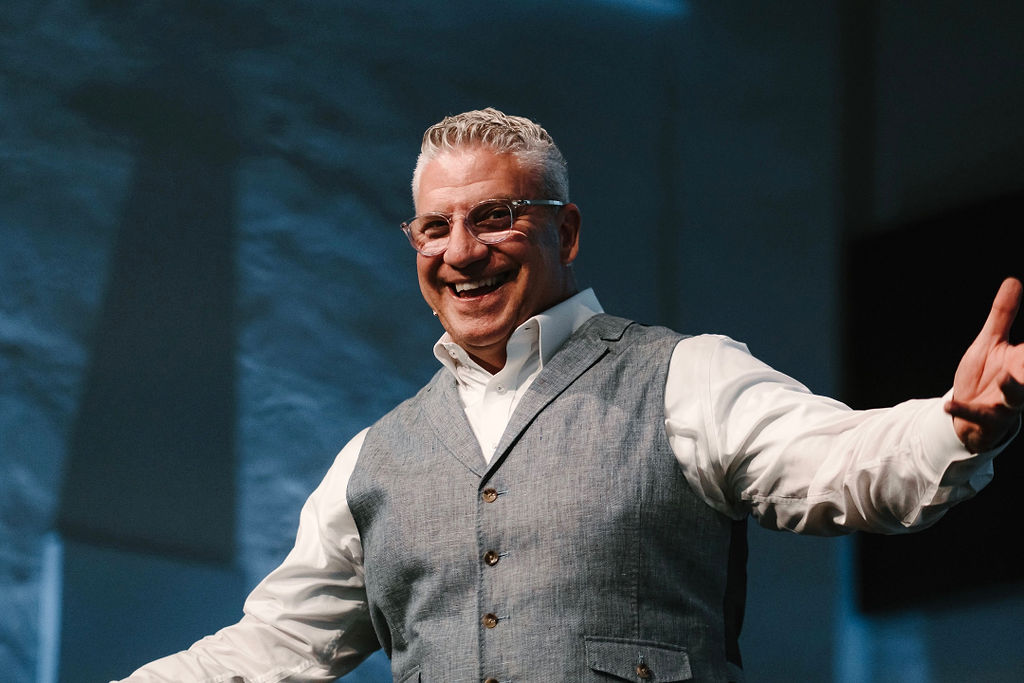
Our dedicated team of pastors and staff are here to provide spiritual guidance and support - as well as resources to help you on your faith journey.
See What’s Happening
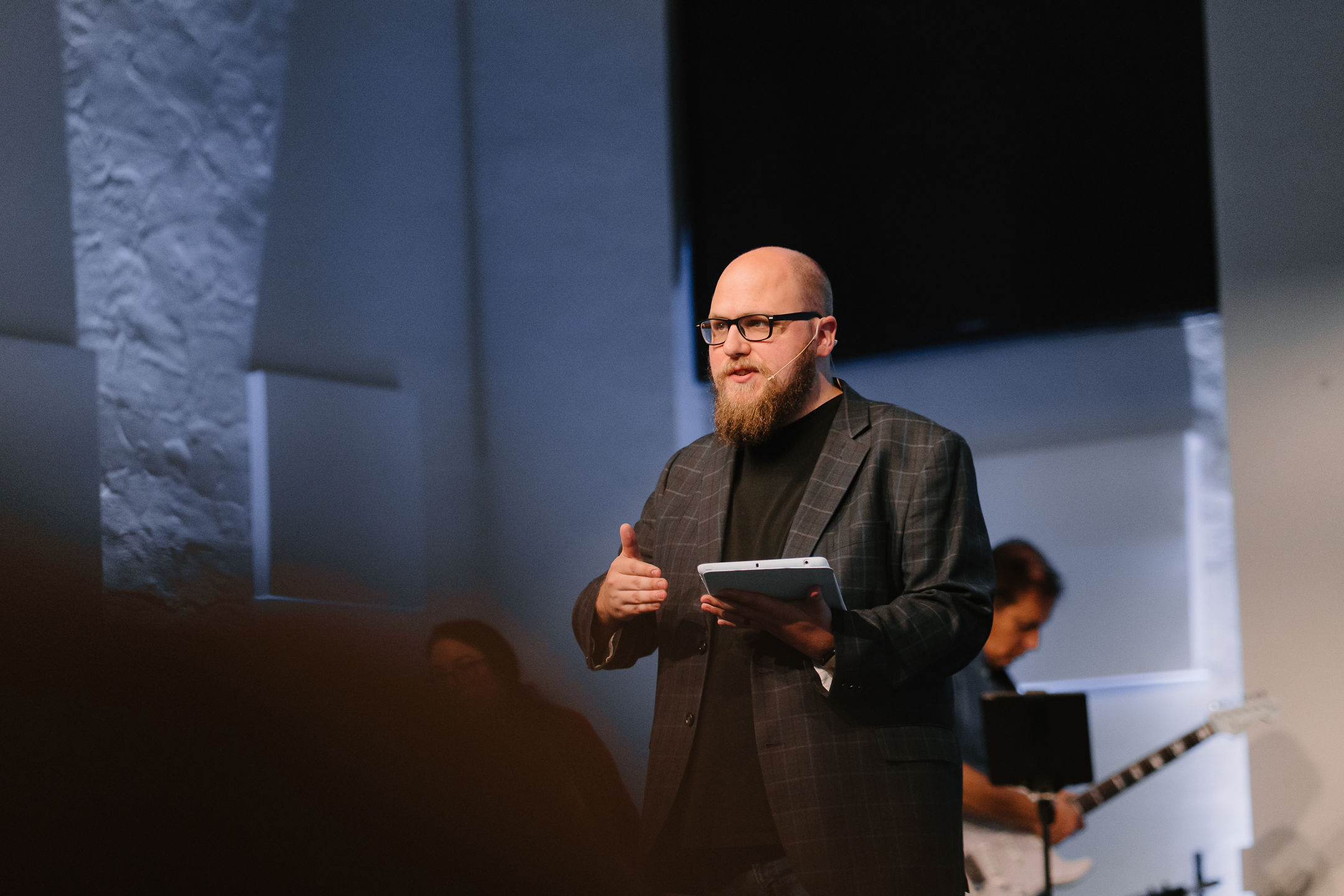
Check out this month's events to find out what's happening and how you can be involved. Explore the full list of upcoming ministries and services.
Connect and Grow
At Church by the Sea, we believe that faith is not meant to be lived out alone. We offer various ministries, small groups, and community events to help you connect with others and grow in your spiritual journey.
Whether it's attending a Bible study, joining a prayer group, or participating in a community service project, there are numerous opportunities for you to deepen your faith and build meaningful relationships.
Messages that Matter
View our library of previous sermons.

Pastoral Devotionals

Jesus Wept: Acceptance First | Devotional Three
I'll never forget when I had a participant complete my workshop : "Recovering from the Losses of Life” She came to meet with me following the class to explain the extent of her Grief. "I'm in the Breakout Sessions, and all these people around me are crying about things that happened so long ago, and I don't feel that intense sadness. Is there something wrong with me?” The ironic thing I’m going to say as a Pastor (who is writing you a devotional to help you in your grief) is: No one gets to tell you how to grieve. Not even me. What I will tell you to do is embrace it as a part of your life. What doesn’t often get mentioned is that Grief & Love coexist as parts of each other. Pushing Grief away because it’s uncomfortable or messy doesn’t do anything for you. And it doesn’t fully acknowledge the great Love for which the loss is so devastating. The methods I’ll share won’t matter much if you haven’t given yourself Permission to grieve. It’s not dissimilar to attending any type of recovery meeting. You have to start by saying “Hi, I’m NAME, and I am bereaved.” The five stages of Grief are : Denial, Anger, Bargaining, Depression, & Acceptance. Acceptance comes at the end, but the other four can occur in any order and sometimes simultaneously. I add that Acceptance isn’t just the last stage of Grief; it’s also the first. There are those reading this who just haven’t had time to grieve because of life circumstances. Others whose loss is a year old, and still others who are still in shock from a loss this year. All are experiencing the same Category of Spiritual and Emotional pain, But in different levels of severity and type. So for example … Jane Doe’s grief Journey may look like this: START: Acceptance of being bereaved -> Anger & Bargaining -> Denial -> Depression -> Anger -> Depression -> Bargaining -> CLOSE: Acceptance of the Loss. Notice how I say CLOSE instead of END. Any of these may be reopened even after the loss is accepted. But post-acceptance, you and that loss have become acquainted. The tears may be involuntary … but you still are in a place of control that you may not have had when the shockwave of losing someone hit you initially. Still, John Doe’s may look more like this: START: Acceptance of being bereaved -> Depression -> Denial -> Depression -> Anger -> Depression -> Bargaining -> CLOSE: Acceptance of the Loss. See the variety? I redirected my Counselees to think of it not in terms of asking whether there is something wrong with you. But asking if you feel whole. Have you done all you needed to do to feel and release the pain? If the answer is no, or I don’t know, then likely we’re still in the thick of it and that’s ok. The alternative question would be … Is the burden finally light enough to carry? The time it takes to achieve that lightening can vary. I do think Christians have a unique hope and advantage. We believe in resurrection. Right after Jesus wept over the dead Lazarus, he proclaimed “Even though a Man shall die, yet shall He live.” For believers who have this baked into the fiber of their being, The pain can be greatly reduced and the process of grief even shortened. In light of Scripture ... a separation is a loss, but it’s not a permanent loss in the Kingdom of God. And don’t hear me wrong ... that I’m just telling you to just have more faith; What I’m saying is what St. Paul said: “We Grieve but not as those who have no hope.” So three Scriptures for you today: (1) First Thessalonians 4:13 “We do not want you to be uninformed about those who sleep in death, so that you do not grieve like the rest of mankind, who have no hope.” (2) Ecclesiastes 3:11 "He has made everything beautiful in its time. He has also set eternity in the human heart; yet no one can fathom what God has done from beginning to end." (3) John 11:25-26 Jesus said to her, “I am the resurrection and the life. He who believes in Me, though he may die, he shall live. 26 And whoever lives and believes in Me shall never die. Do you believe this?” → Of the stages, which is the loudest right now? → Or do you feel like you're completely off the map? I’d love hear from you. Pastor Jonny M.Min Biblical Counseling Church by the Sea
Blog
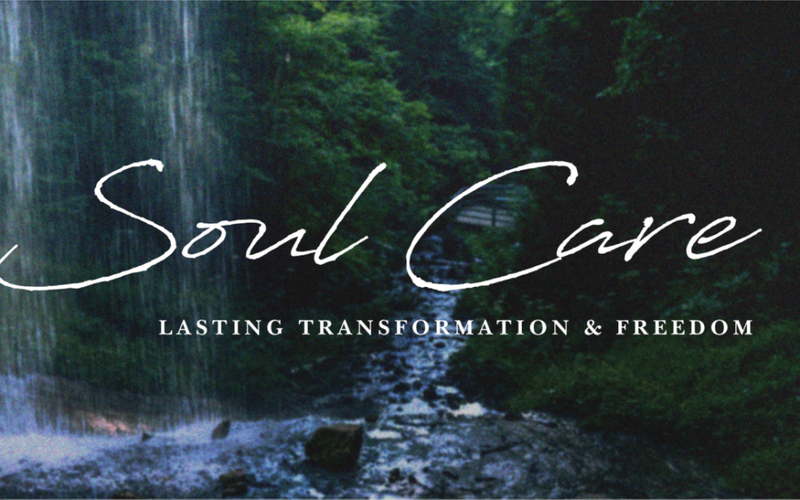
Soul Care Ministry Update - End of 2026
As we enter the final quarter of the year, it feels like the right time to share an update on where things are headed with Church by the Sea’s Soul Care Ministry. There are two main components to this New Ministry: Stonger Still: Spiritual Direction (Formerly Biblical Counseling) & Sessions of Hope The Nomenclature: From Biblical Counseling to Spiritual Direction I've spent the past several years learning what my strengths and limitations are when it comes to counseling. I knew that stepping into counseling after my education & previous experience would reveal both areas of expertise and areas where I still need to grow. What I've come to realize is that the term counseling is probably too broad—and perhaps too clinical—for what I am actually called to do. Though I’ve had a Spiritual Director myself for the past five years, I’ve gone back and forth on whether or not to use the term for the Stonger Still Practice. It’s not as well-known a term, and it seems to carry an air of ‘control’ However, Spiritual Direction isn’t about someone directing you in a commanding sort of way. It’s a term that dates back to the 3rd and 4th Century Christians and is more about Directing the attention. In show biz, a ringmaster or magician might say something like, “May I direct your attention to ...” As the Spiritual Director, I observe, share, and maybe point you toward things in your heart and life you were standing too close to, so you can see them clearly on your own. The other reason for the switch is that ... I have a deep appreciation for psychology, psychiatry, and clinical work, particularly when they are thoughtfully integrated with a biblical worldview ... and Counseling might accidentally lead someone to believe (accidentally) that they are receiving care from a licensed mental health professional. My vocational calling is Pastoral ... I am more a Shepherd and Spiritual Guide than a clinician. For the past five years, I've worked with a Spiritual Director, and that language has increasingly helped me understand what I believe I'm actually doing. Historically, the concept is much closer to companionship or spiritual friendship: walking alongside another person, helping them pay attention to God, themselves, and what is happening in their lives. I've sometimes described this simply as "One-Anothering." The lead Director is the Holy Spirit. That's much closer to the ministry I want to build. So Stronger Still will gradually move away from using Biblical Counseling as its primary label and toward Spiritual Direction. You can learn more about Spiritual Direction at this FAQ This doesn't mean that the substance of what people experience will suddenly be different. If you've participated in this ministry, you already know what it looks like: someone walking alongside you as you navigate frustration, grief, despair, confusion, and the ordinary difficulties of life. The terminology matters primarily because it helps me establish appropriate boundaries, and is rooted in the History of the Christian Church. Knowing When to Refer Our referral network has become such an important part of this ministry. For a while, we've had Carita, a psychologist, and Payton, a licensed marriage and family therapist. Since then, we've added Katrina with Surfside Therapy, as well as Hope Greeno, who will specifically work with children and youth. I'm also continuing to develop relationships with other therapists and mental-health professionals, including people connected with neuropsychology. My first mentor at Church by the Sea, Dr. Dave Ruth, has also been an important part of this story. He is a Pastoral Counselor and what I would call a true-blue Biblical Counselor, with particular gifts in helping marriages find their footing. From now on, I will refer many Marriages to him, though some will go to Payton. My hope is that helping individuals become more connected to God on their own can have a residual effect on their marriages. My wife, Suellen, and I have learned over the years that becoming more tender and gentle with one another often starts with each of us becoming more connected to God on our own. That's the lane I want to stay in for the foreseeable future. Sessions of Hope We've now piloted what were originally called Volumes One through Four of Sessions of Hope. As we've developed the program, we've learned a great deal simply by doing it. Because the long-term vision is for this to become something scalable and potentially useful in other churches, we've been willing to adjust the structure as we go. One of the biggest changes is the way we're organizing the curriculum. Rather than simply moving from Volume One to Volume Two to Volume Three and so forth, Sessions of Hope will be organized into four different series: How We Heal How We Endure How We Love How We Grow So far, we've completed Volume One in each of those four categories. Going forward, we'll develop Volume Two, Volume Three, and so on within each category. This makes the curriculum much easier to navigate. Rather than assuming that everyone needs to follow the same sequence, people can look at the four major areas and choose the material that best fits what they are experiencing. The first two categories are particularly connected to mental health and may naturally draw people who are looking for help in those areas. Recovery material will also fit within those categories. For example, material related to the Twelve Steps will fall under How We Endure. The goal is becoming less about creating a series of classes that I personally teach and more about building a curriculum that the church can use. Multiplying the Ministry Next year, we'll have four new Sessions of Hope courses. But I have another goal: I want at least one new facilitator to take one of the existing courses, use the facilitator guide, and teach it independently. That would be a significant proof of concept. It would show that Sessions of Hope doesn't have to depend entirely on me. We could eventually have multiple courses happening simultaneously, led by different people, and the curriculum could become part of the broader catalog available to Small-Group & Bible Study Leaders. That's the direction I want to see. Pastors are people too. I'm not fundamentally different from anyone else, and I don't want this ministry to depend on the idea that I possess some unique spark that nobody else has. In fact, something beautiful is already happening: some of the people I've counseled are now helping me. They're helping me think through work-life balance, health, and how to make this ministry sustainable. The relationship is becoming a two-way street. Some of my directees have helped me as much as I've helped them ... and sometimes I wonder if they haven't helped me more. That makes me wonder: if people can facilitate something like Recovering from the Losses of Life or Rhythms of Grace for themselves, why couldn't trained laypeople also provide a basic level of Spiritual Direction? Nine times out of ten, people just need someone to listen, pray, and respond. That shouldn't have to be limited to one or two Pastors. And so eventually, I want to clearly define what lay spiritual direction looks like and what the boundaries of lay counseling and lay spiritual direction should be. Those boundaries will matter. A lay director should know when they have reached the end of their capacity. Referrals need to be easy, and the process should minimize the sense of rejection that can come when someone realizes they need a different kind of help. The message shouldn't be, "I can't help you." It should be, "I'm going to stay with you while we connect you with the right person." That will also require better screening. When an intake form comes into the office, it needs to be reviewed appropriately so that we're not handing a volunteer more than they can responsibly carry. If something is particularly heavy, it should be clear that the lay director's role may simply be to listen and provide companionship while we arrange the appropriate professional referral. I've had situations recently where I've wondered whether simply connecting someone with somebody—even if my schedule didn't allow me to see them—might have bridged a dangerous gap. It might even have saved a life. You have the potential to save a life simply by being willing to listen. And this doesn't require everyone to commit to an enormous workload. Because this is a volunteer ministry, someone might be able to meet with one person once a month. That's enough to make a difference. We can share the burden. You would also be able to refuse a case based on your own triggers For example, one of our referral counselors has personally experienced addiction-related loss in their family. Because of that history, we won't refer people struggling with addiction to that particular counselor. Boundaries like that are part of building a healthy ministry. The goal isn't to make everyone capable of helping everyone. The goal is to make sure that more people are capable of helping someone. The Future of Soul Care This is where the ministry is headed: Sessions of Hope taught by multiple facilitators, Spiritual Direction as the new language for what was formerly our Biblical Counseling ministry. Down the road, we'll also develop a formal training course for our Spiritual Direction ministry. I do believe we can eventually accredit the training for a first generation of Lay Directors. This training will give people greater confidence about where they're coming from, what they are equipped to do, and where their boundaries lie. It will also give the church greater clarity and credibility about how the ministry operates. That is the rebrand. More importantly, it is the transition from a soft launch into a fully developed Soul-Care ministry at Church by the Sea.


Copyright 2026 Church by the Sea
All Rights Reserved.